

ISB was created in 2000 as the first-ever institute dedicated to systems biology.
We are a collaborative and cross-disciplinary nonprofit biomedical research organization based in Seattle. We focus on some of the most pressing issues in human health, including brain health, cancer and aging, as well as many chronic and infectious diseases. Our science is translational, and we champion sound scientific research that results in real-world clinical impacts. ISB is an affiliate of Providence, one of the nation’s largest not-for-profit health care systems.
ISB serves as the ultimate environment where scientific collaboration stretches across disciplines and across academic and industrial organizations, where our researchers have the intellectual freedom to challenge the status quo, and where grand visions for breakthroughs in human health inspire a collective drive to achieve the seemingly impossible.
The people of ISB are becoming the leading experts in the function and behavior of every organ in the human body. Today we are poised to track the progression of human life in all its stages, to map how diseases are created and how they progress in our bodies, to better predict, prevent or diminish the effect of the entire range of human illnesses, to better understand the role environmental factors play, and to assure a longer, healthier life for all of humankind. ISB is literally at the epicenter of creating a new future for human health.
ISB is neither a classical definition of an academic organization nor is it a biotechnology company. We are unique. Unlike in traditional academic departments, our faculty are cross-disciplinary and work collaboratively toward a common vision. This cross-disciplinary approach enables us to take on big, complex problems. While we are vision-driven, ISB is also deeply committed to sharing that knowledge with society: We participate in the formation of companies, and strategically partner with industry to transfer technologies, products and new concepts generated by our ambitious projects.
A foundational element of ISB is to make quality STEM (science, technology, engineering, and mathematics) education a reality for every student regardless of gender, race or socioeconomic status. We approach this like we approach our science: driven by research and with a deep understanding of the complex systems that educate our children. Our systems approach drives us to work with all parts of the education system, including students, teachers, principals and other district leaders. We partner with STEM professionals to inspire students, educators and administrators, and to deepen their understanding of how to learn, live, work and engage in an increasingly STEM-centric society. We know there is no one solution that works for every student, teacher, or school system, so we commit to long-term partnerships where we all work together to continuously improve the outcomes for all. The education work is led by an experienced team that has been working with education systems for more than two decades. Each year, we provide research-based professional development for over 1,000 teachers and 80 district administrators, which impacts more than two-thirds of Washington state students.
By the Numbers
180+ full-time staff from 24 countries | 45 degree fields | 14 faculty members | 36 principal and senior research scientists & engineers | 2175+ research publications since 2000 | over $575 million in grants & contracts revenue | $109 million+ in philanthropic contributions | more than 1000 K-12 science educators annually receive professional development & systems biology training
Learn about the history of systems biology and systems medicine from ISB’s co-founder, Leroy Hood.
Seattle Location
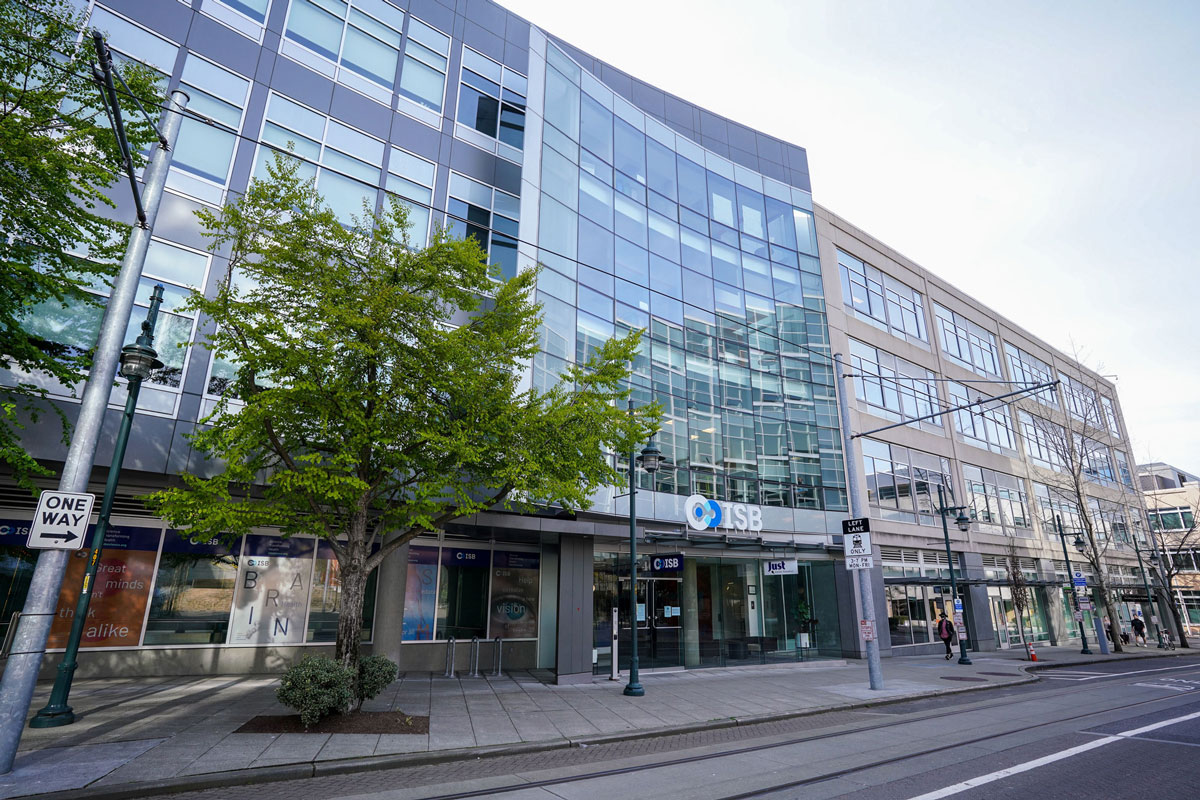
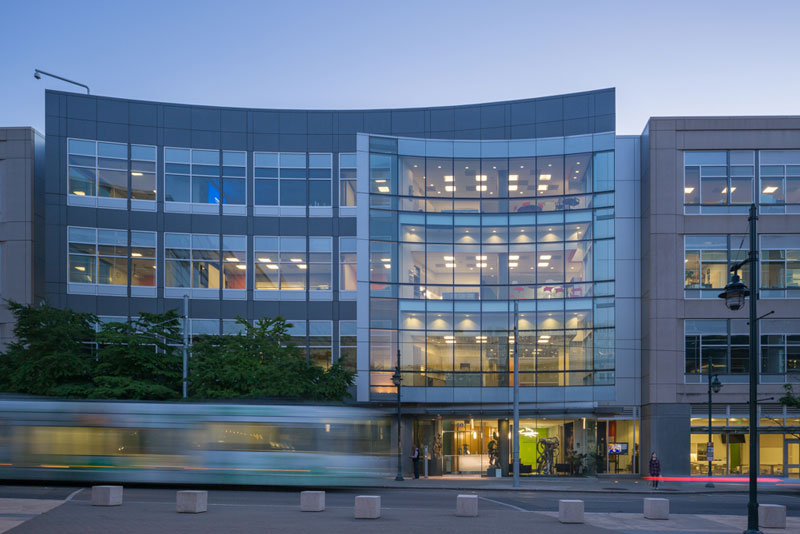
ISB is a nonprofit biomedical research organization located in the South Lake Union neighborhood in Seattle. A Brookings Institution report (May 2014) described SLU as Seattle’s urban “Innovation District” which is defined as areas:
“where leading-edge anchor institutions and companies cluster and connect with start-ups, business incubators and accelerators. …They are the ultimate mash up of entrepreneurs and education institutions, start-ups and schools, and mixed-use development and medical innovations, bike-sharing and bankable investments – all connected by transit, powered by clean energy, wired for digital technology, and fueled by caffeine.”
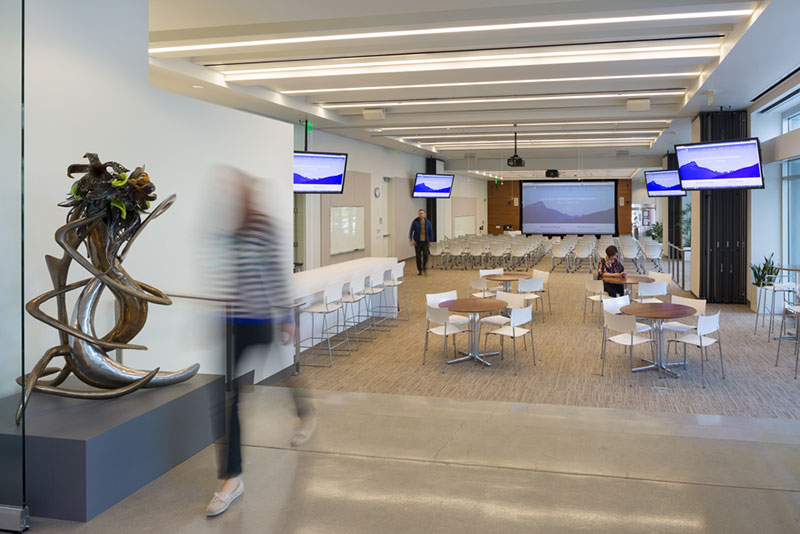
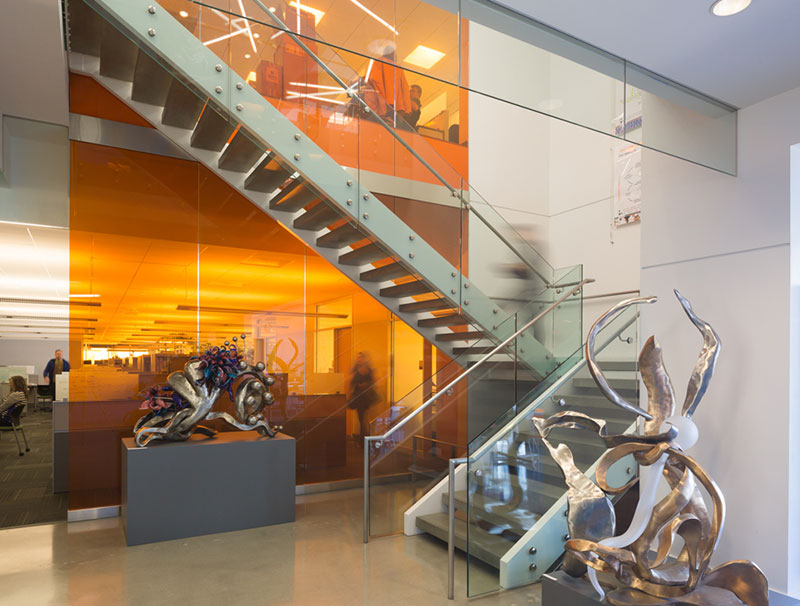
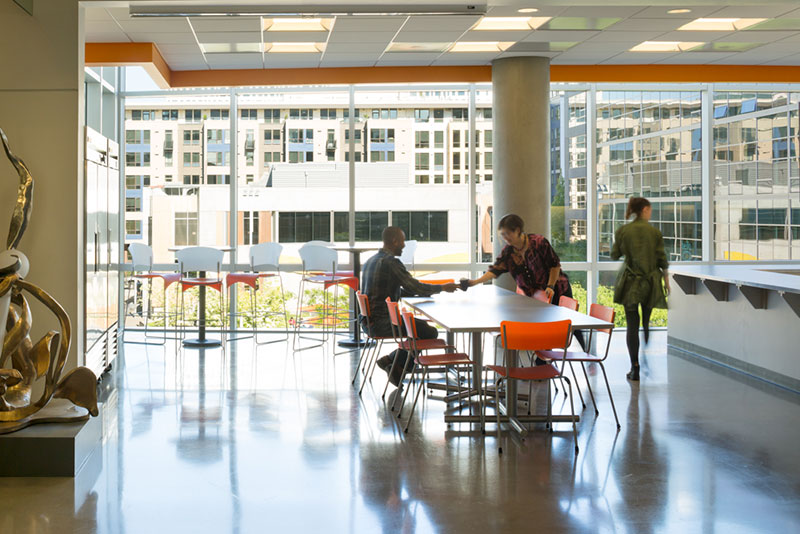
ISB occupies a building that is LEED Platinum certified. ISB’s neighbors include Amazon, UW Medicine, Fred Hutch, Northeastern University, Center for Infectious Disease Research, Microsoft, Novo Nordisk, Allen Institute for Brain Science, and many others.
Institute for Systems Biology
401 Terry Ave. N.
Seattle, WA 98109
206-732-1200